


The Red Dragon Rises: How LandSpace Is Building China’s Answer to SpaceX
- Suraj Kumar

- Dec 29, 2025
- 3 min read

Introduction: The Race Everyone Missed
For the last decade, the global space race was effectively a one-horse show. SpaceX dominated the market, launching more mass into orbit than every other nation combined. The assumption was that no one could catch Elon Musk.
But while the world was watching Starship explode in Texas, a quiet revolution was happening in the Gobi Desert.
On July 12, 2023, a private Chinese company called LandSpace achieved something SpaceX had not yet done. They successfully launched the world’s first methane-liquid oxygen rocket (Zhuque-2) into orbit. They beat the mighty Starship to the "Methalox" milestone.
Now, as we approach 2026, LandSpace is no longer just a startup. It is the spearhead of China’s commercial space sector, aggressively building reusable rockets that look, fly, and land suspiciously like the Falcon 9. The monopoly is ending. A new space war has begun.
The Technology: Why Methane Matters
LandSpace’s secret weapon is not just copying; it is engine chemistry.
Old rockets used kerosene (dirty, causes soot) or hydrogen (expensive, hard to handle). SpaceX bets its future on Methane because it burns clean, making it perfect for reusable engines that need to fly 100 times without cleaning.

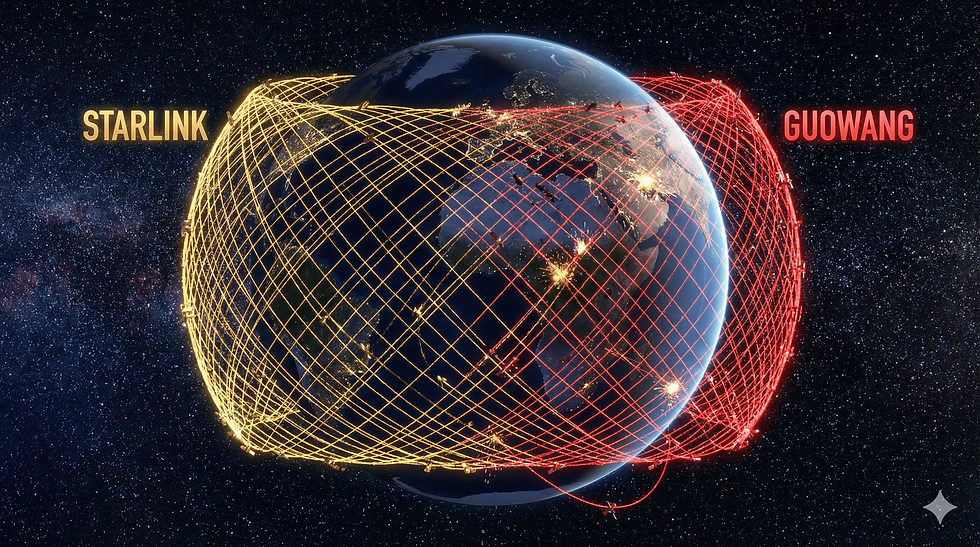
LandSpace made the same bet. Their Zhuque-2 rocket proved that China has mastered this complex fuel. Their upcoming Zhuque-3 is the real threat. It is a stainless steel, reusable rocket designed to launch satellites for China’s massive "Guowang" internet constellation (their version of Starlink).
By skipping the kerosene era and jumping straight to methane, LandSpace has effectively leapfrogged a generation of rocket development.
Shifting the Culture: The "SpaceX" Model in China
The biggest impact of LandSpace isn't hardware. It is cultural.
Historically, China’s state-run space program (CASC) was risk-averse. Failure was not an option, so innovation was slow. LandSpace is different. They operate like a Silicon Valley startup. They embrace "rapid explosive iteration."
When their recent Zhuque-3 test flight failed to stick the landing, the company didn't hide it. They released the footage. They analyzed the data. They moved on. This shift—allowing private companies to fail fast and fix things—is unleashing a level of speed in the Chinese space sector that terrified Western analysts did not predict.
Will It Benefit the World?
Competition is the best thing that can happen to the space economy.
Right now, SpaceX sets the global price for launch because it has no true competitor. If LandSpace can offer reliable launches for $40 million (undercutting the Falcon 9’s $67 million), it forces SpaceX to lower prices further or innovate faster.
However, geopolitics limits this benefit. Due to ITAR regulations and national security fears, Western satellites will likely never fly on Chinese rockets. The market will split in two: a "Western Bloc" served by SpaceX and Rocket Lab, and an "Eastern Bloc" served by LandSpace and the Long March family.
SpaceX’s Reaction: The Starship Gambit
How is Elon Musk reacting? By changing the game again.
Musk has publicly acknowledged LandSpace’s designs, noting that they are "on the right path." But SpaceX is not looking back at the Falcon 9 era. They are pushing all chips into Starship.

While LandSpace is trying to build a Chinese Falcon 9 (Zhuque-3), SpaceX is trying to build a rocket that is 10 times larger and fully reusable. SpaceX’s strategy is simple: let China win the battle for medium-lift rockets, while they monopolize the heavy-lift future of Mars colonization.
Conclusion: A Duopoly in the Stars
The era of uncontested American dominance in commercial space is over. LandSpace has proven that a private Chinese firm can build world-class hardware.
We are moving toward a duopoly. The US and China will mirror each other's capabilities, driving down the cost of access to space for everyone. The Red Dragon has risen, and the race to the stars just got a lot more interesting.

Comments